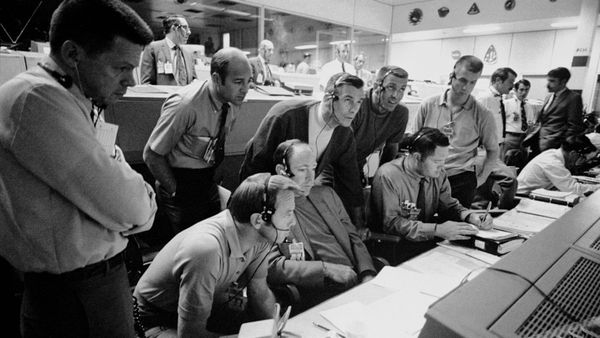
Crisis Engineering 101

Layer Aleph is a group of four people who each had success leading our own bands before we decided to work together. Each of us has worked on large complex systems for about 20 years, and as Layer Aleph, we have taken on around 30 consulting jobs that were interventions or modernizations of complex systems of some sort.
When we were in novel situations, we learned in the only way available, which was trial and error. Over time, it became clear that there were patterns in the problems we were solving, and the solutions became less like improv comedy and more like performing a script. We began to joke that we might as well write the client's final report after the first meeting, and then it became not really a joke.
In 2021 we started to try to organize what we had learned into a coherent story. This became Mikey's undergraduate class Managing Complex Systems and eventually the book Crisis Engineering.
We think you should read it! But we are not trying to paywall the ideas—quite the opposite. So if you only have a few minutes and are willing to take our word for it, here is the message of Crisis Engineering:
First, let's notice that all the big processes that make the world go round are run by computers. Tax collection, health care, air travel, insurance, and financial markets are on computers. The Digital Transformation was a success as far as replacing typewriters and file cabinets. Past that, things get confusing. We have written computer automation to replace some jobs formerly done by people (like delivering interoffice memos), but not others. This has been done haphazardly. Many attempts to automate office work have failed, and others have "succeeded" at a net loss of productivity. So today, big organizations depend on a mishmash of human and machine processes. They are not redundant, but rather interdependent—a problem in either domain will bring the whole system to a halt.
These hybrid systems are hard to manage. In fact, they qualify as complex systems, crudely defined as "systems that exhibit unpredictable behavior and cannot be decomposed." Management science has not kept up. MBAs are famously blind to anything that isn't on a spreadsheet, and the other academic traditions that tried to understand large organizations are all but dead.
We don't claim to have the complete unified field theory of how to manage complex systems. But we do have an observation that has helped us find some success: the human and machine halves of the system can't be "programmed" using the same techniques. The human behaviors are driven by habits, which do not respond to spreadsheets.
Human behaviors are better understood as the product of the automatic, unconscious process of sensemaking. This unlocks the ability to see why most attempts at change fail, and design changes that work. Unfortunately, one of the first discoveries is that most of the time, under normal conditions, changing habituated behavior is not possible. It can only happen when the sensemaking train is derailed, which is what's often called a crisis.
Crises are the windows when radical change is possible, and also inevitable. Crisis engineering is a set of skills that enable a small number of people to direct that change and lead the organization out of crisis. Thus it's one way to make rapid, directed change in a complex system. In fact, we argue it's the only way.
Each of the jargon words in italics is given a longer treatment in our book. Then we document nine useful "tools" that can be cherry-picked and applied with or without the context of a whole "crisis engineering" effort. We also throw in a few reflections on how these ideas may affect your career, and stories we thought were fun.